
Berkeley County Arrest Records and Charges
Berkeley County arrest records begin with law enforcement. The Sheriff's Records Management Office maintains incident reports submitted by deputies, maintains reports on arrests or charges made by deputies, disseminates paperwork to local, state, and federal agencies as required by law, maintains dispositions, executes expungement orders, subpoenas, and Rule 5 motions, and submits crime data to SLED. That is sheriff-side record work, not the same thing as the full court case file.
Court charge records begin when an accusation becomes part of a court matter. In South Carolina, prosecutors are called Solicitors. The Ninth Judicial Circuit Solicitor handles General Sessions prosecution for Berkeley County and Charleston County. Magistrate and Municipal cases may remain in lower courts, while higher-level criminal charges are handled in General Sessions. The full court file, disposition, and sentence belong with Berkeley County criminal court records; the arrest-to-charges pathway focuses on the initial accusation, charge status, and where to verify it.
Find Berkeley County Arrest Records
Start with the record type. For current custody or booking context, use the Sheriff's inmate lookup or call Hill-Finklea Detention Center. For incident reports, the Sheriff's Records Management Office requires in-person requests with picture identification, and public reports are available after 1:00 p.m. five business days after the incident report day. For filed court charges, search the Berkeley County Public Index through the SC Judicial Branch Case Records Search and use the defendant name or case number.
- Use the sheriff or detention route for custody, booking, incident-report, or arrest-report questions.
- Use Public Index for formal court charges filed in a public criminal case.
- Check Magistrate Court or Municipal Court if the charge is a lower-level traffic, ordinance, or summary criminal matter.
- Contact the Clerk of Court or Solicitor when a General Sessions charge, trial docket, certified copy, or expungement route is involved.
Statewide criminal-history checks are not handled locally by the sheriff. The Sheriff's Records Management page directs criminal-history/background-check requests to SLED CATCH.
Charges After Arrest Documents
Charges after arrest may reach court in different forms. The exact filing route depends on the court level, offense, and prosecution decision. One arrest can produce more than one charge, and early charges may be amended or dismissed before final disposition. The key is to read the charging document, docket entries, and disposition together.
| Complaint | Information | Indictment | |
|---|---|---|---|
| Filed By | Officer or prosecutor, depending on court and offense. | Prosecutor. | Grand jury process for serious criminal matters. |
| Common Use | Lower-level or initiating accusations. | Formal prosecution filing where allowed. | General Sessions felony or higher-level prosecution context. |
| Record Role | Starts or supports a court charge record. | States the charge the prosecution is pursuing. | Shows the charge approved for prosecution through indictment. |
Berkeley County Charge Status
A court charge is not fixed just because it first appears in a record. It can be pending while the court waits for the next hearing, amended after review, reduced through plea negotiation, dismissed by the court, or nolle prossed when the prosecutor declines to pursue it. Each count should be read separately because one case can have mixed outcomes.
| Status | What It Means |
|---|---|
| Pending | The charge is active and has not reached final disposition. |
| Amended / Reduced | The charge changed from the original accusation to a different or lesser charge. |
| Dismissed | The court ended the charge without a conviction, subject to the terms of the dismissal. |
| Nolle Prosequi | The prosecutor made a formal decision not to pursue the charge. |
| Disposed | The charge has a recorded outcome, such as plea, verdict, dismissal, or other final action. |
Charges vs Convictions
A Berkeley County arrest record or court charge record can show an accusation without proving guilt. A conviction requires a guilty plea, guilty verdict, or comparable final finding. This distinction matters when reading Public Index records, SLED criminal-history results, Solicitor dockets, and sheriff incident paperwork. Do not treat every charge line as a final outcome.
| Charge | Conviction | |
|---|---|---|
| Core Meaning | An accusation filed or pursued after arrest. | A final guilty finding or plea. |
| Where It Appears | Incident reports, arrest paperwork, court filings, dockets, and Public Index case records. | Disposition, sentencing, criminal-history records, and final court entries. |
| Can It Change? | Yes. It may be amended, reduced, dismissed, or nolle prossed. | It may later be appealed, vacated, sealed, or expunged only if the law allows. |
Berkeley County Arrest Record Channels
The sheriff channel is strongest for incident reports and arrest or charge paperwork created by deputies. The Sheriff's Records Management Office provides copies of incident reports in person with picture identification. Reports become available to the public after 1:00 p.m. five business days after the incident is reported. Detention records questions can also route through Hill-Finklea Detention Center records, while current-custody lookup belongs with the jail roster rather than the court charge record.
Berkeley County Sheriff's Office
223 North Live Oak Drive
Moncks Corner, SC 29461
(843) 719-4465
Emergency calls go to 911
Hill-Finklea Detention Records
300 California Avenue
Moncks Corner, SC 29461
(843) 719-4557
Main line 24 hours: (843) 719-4546
Statewide Charge Lookups
SLED systems sit outside the Berkeley County court file. SLED CATCH is the statewide criminal-history portal for background checks, while the sex offender registry is a separate statewide public registry. These tools may show statewide criminal-history or registry data, but they do not replace the court case file, the Clerk copy process, or the issuing court's own docket.
The SLED sex offender registry portal is one statewide tool that may be relevant after certain convictions, not at the arrest-only stage.
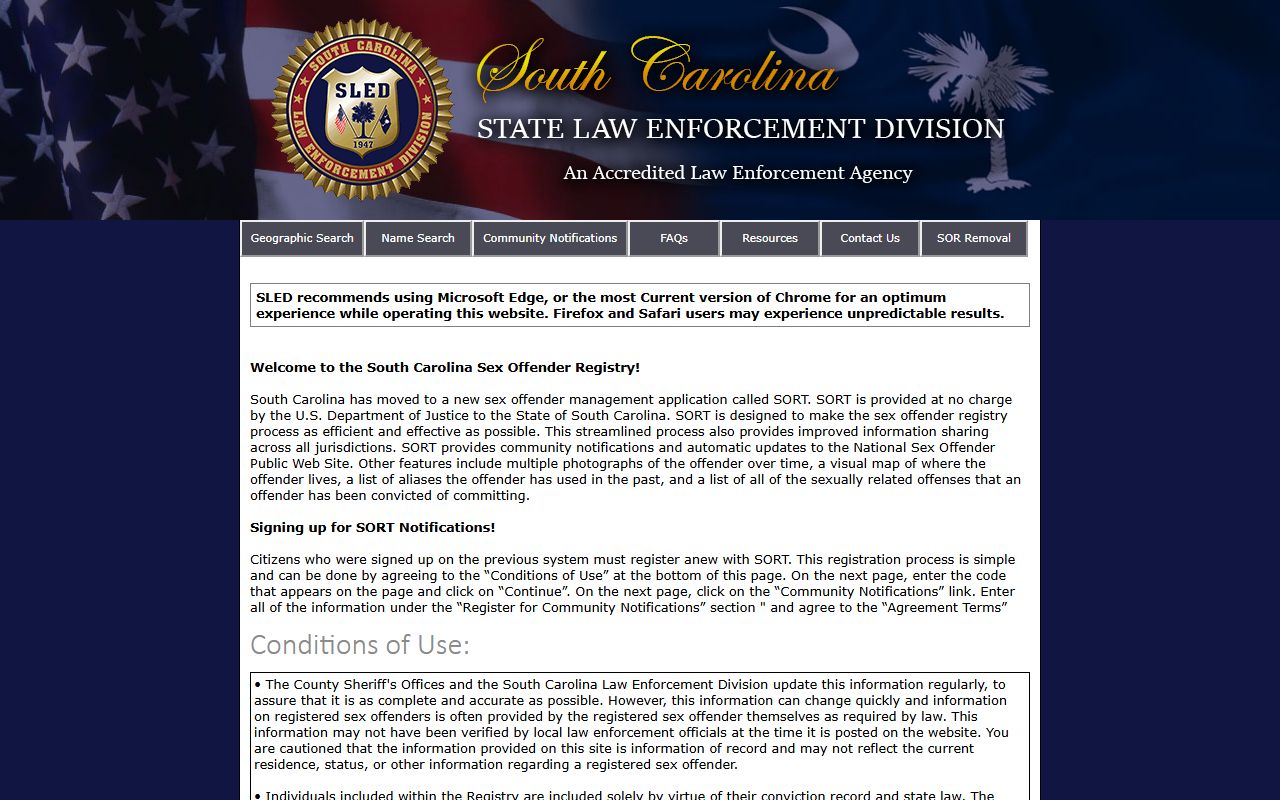
This image helps separate conviction-linked registry research from Berkeley County arrest records and ordinary court charges after arrest.
Restricted Berkeley County Charge Records
Not every arrest record or court charge record is public. Berkeley County's FOIA materials cite law-enforcement and body-camera limits, and South Carolina privacy law protects personal identifying information. Family Court records have special permission limits, and juvenile delinquency records are confidential under South Carolina law. Sealed records and expunged records also fall outside ordinary public search.
The South Carolina Title 23 law-enforcement statute page is tied to body-camera and law-enforcement access limits cited in county FOIA materials.
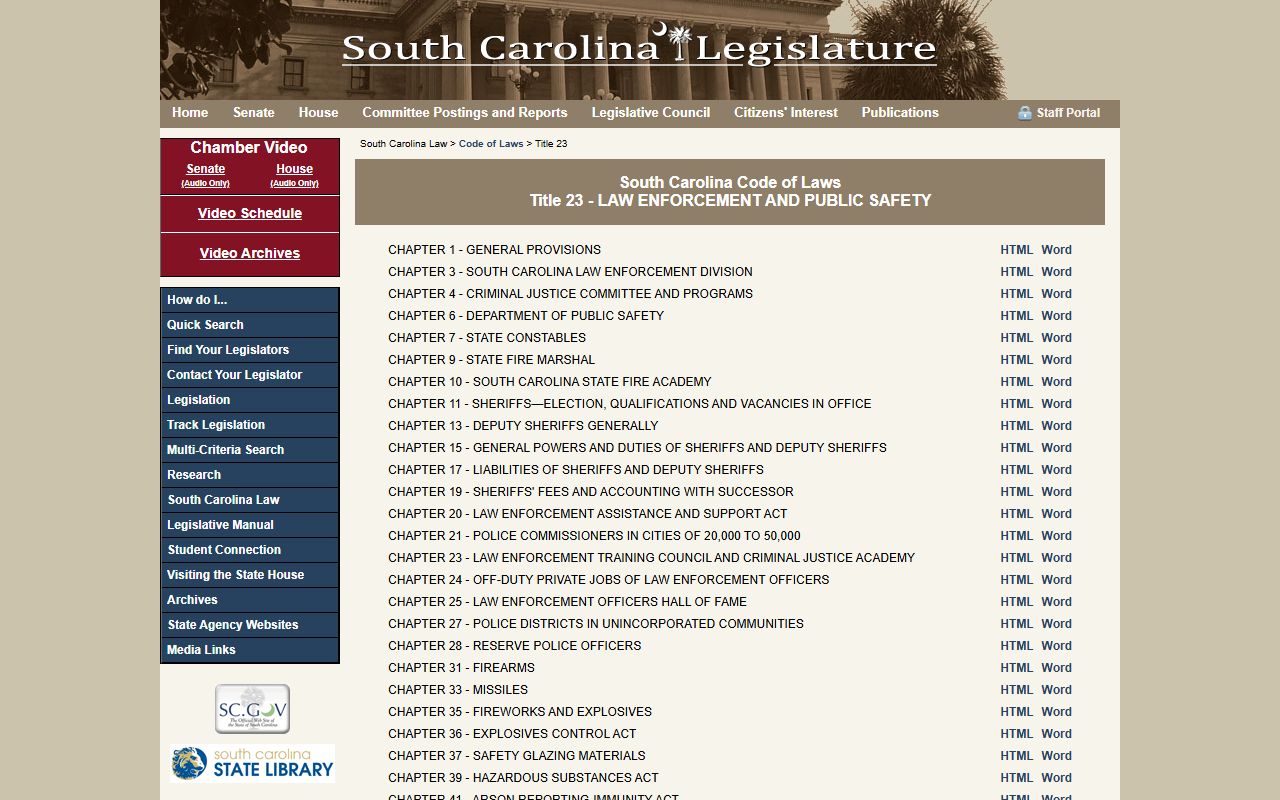
The statute source supports the warning that some law-enforcement material linked to arrests is exempt or restricted.
The South Carolina Juvenile Justice Code explains confidentiality limits for juvenile court records.
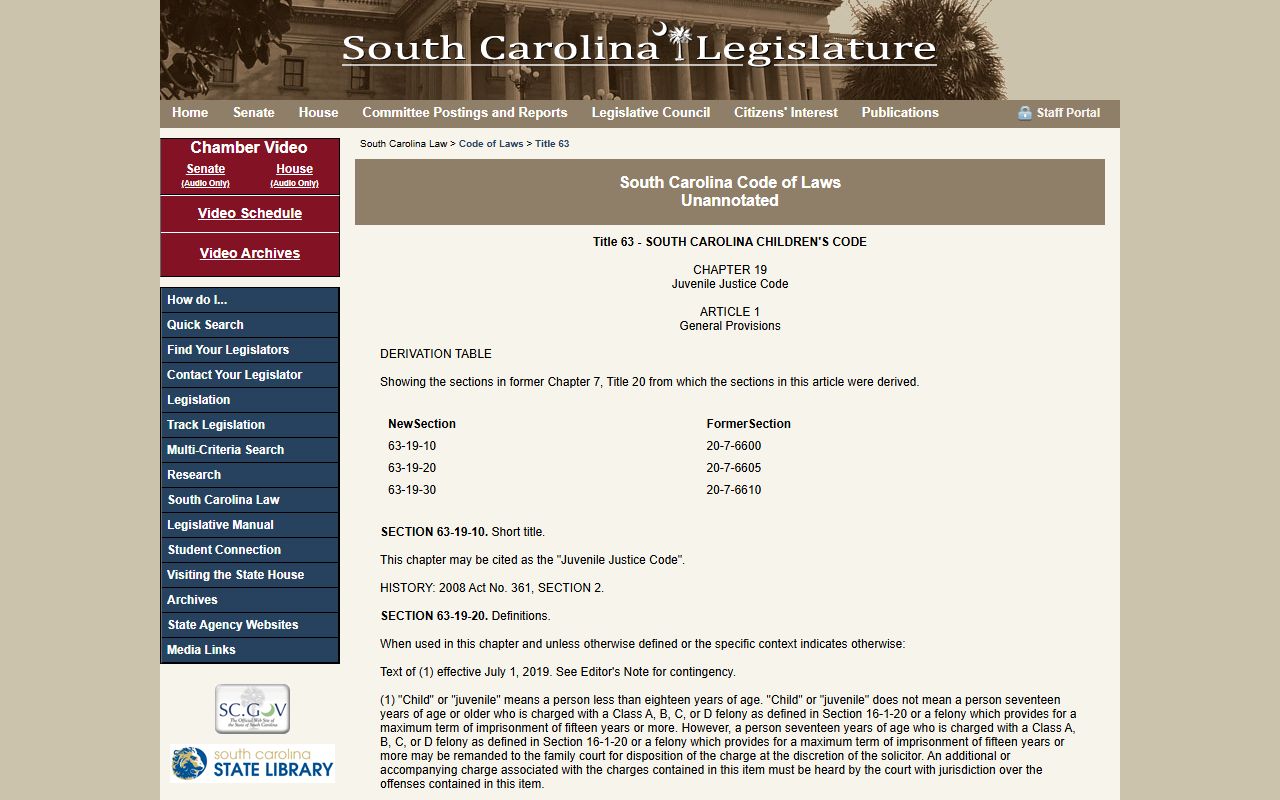
This image belongs in the restricted-record section because juvenile charge records are treated differently from adult public criminal records.
The South Carolina Family and Personal Identifying Information Privacy Protection Act protects sensitive identifiers in public records.
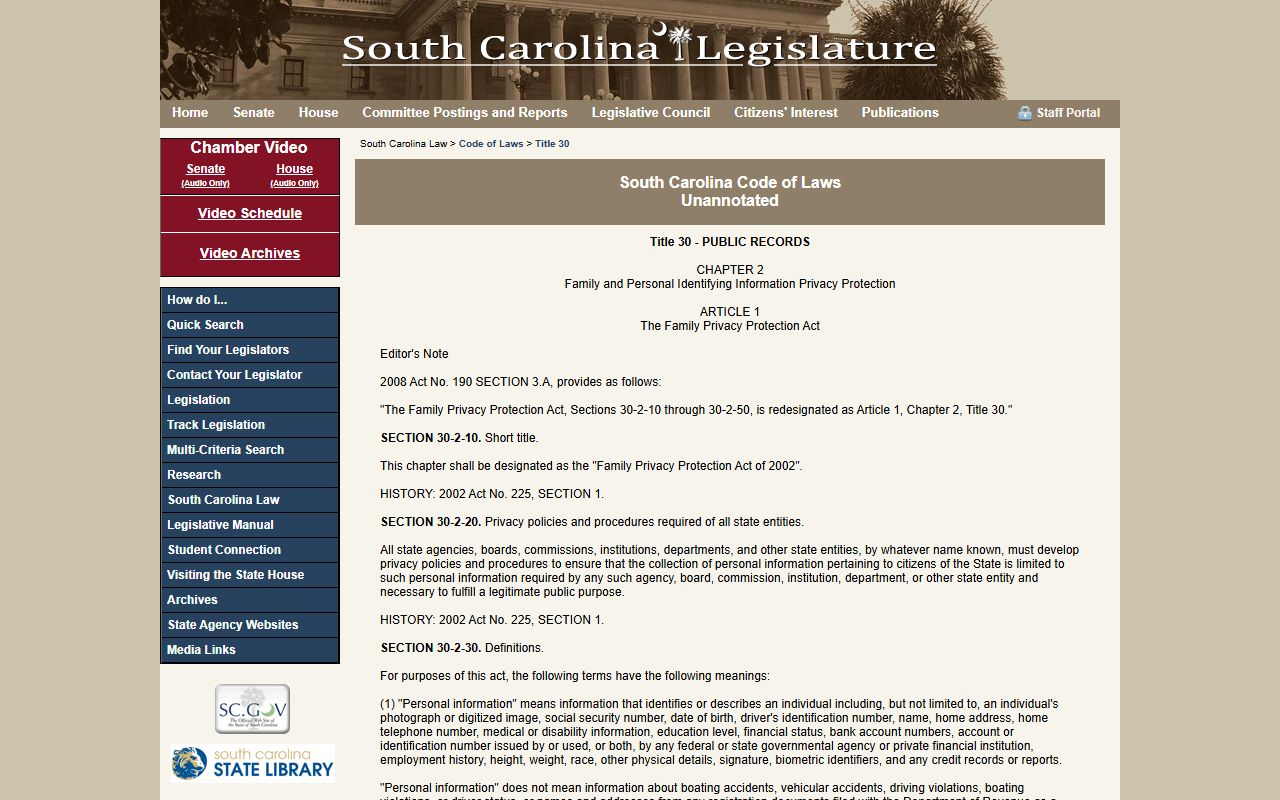
The privacy-law source explains why public court charge records may omit or redact addresses, identifiers, account numbers, and other protected data.
Sealed and Expunged Charges
South Carolina expungement can remove eligible arrest or disposition records from public criminal record access when the law allows and the required order is issued. The Ninth Judicial Circuit Solicitor is the local circuit office for many expungement applications. A sealed record is hidden from ordinary public inspection, while an expunged record is removed, destroyed, or sealed as directed by the order. Neither term should be used casually.
| Sealed | Expunged | |
|---|---|---|
| Public Access | Blocked from ordinary public view. | Removed or sealed from eligible official access paths by order. |
| How It Happens | Court order, statute, or confidentiality rule. | Application, eligibility review, and expungement order under South Carolina law. |
| Practical Limit | Some agencies or courts may still have authorized access. | Private copies may not disappear at the same time as official records. |
Note: A dismissed or nolle prossed charge may still require the correct expungement process before public criminal-record access changes.
Verify Berkeley County Court Charges
Use the most direct official channel for the question. The Public Index is useful for public filed charges and case outcomes. The Clerk of Court is the copy and case-file office for Circuit Court criminal records. The Ninth Circuit Solicitor handles prosecution and General Sessions scheduling. Magistrate Court and Municipal Court should be contacted for lower-court charges, tickets, warrants, and summary matters. Sheriff's Records Management is the channel for public incident reports and deputy-generated arrest or charge paperwork.
For body-camera footage, protected identifiers, juvenile matters, sealed files, and Family Court material, expect limits. Public access does not mean every piece of arrest or charge information is available online or reusable without restriction.